Black History Month Honouring our Communities
23 Oct 2026by
 Lauren O'Connor
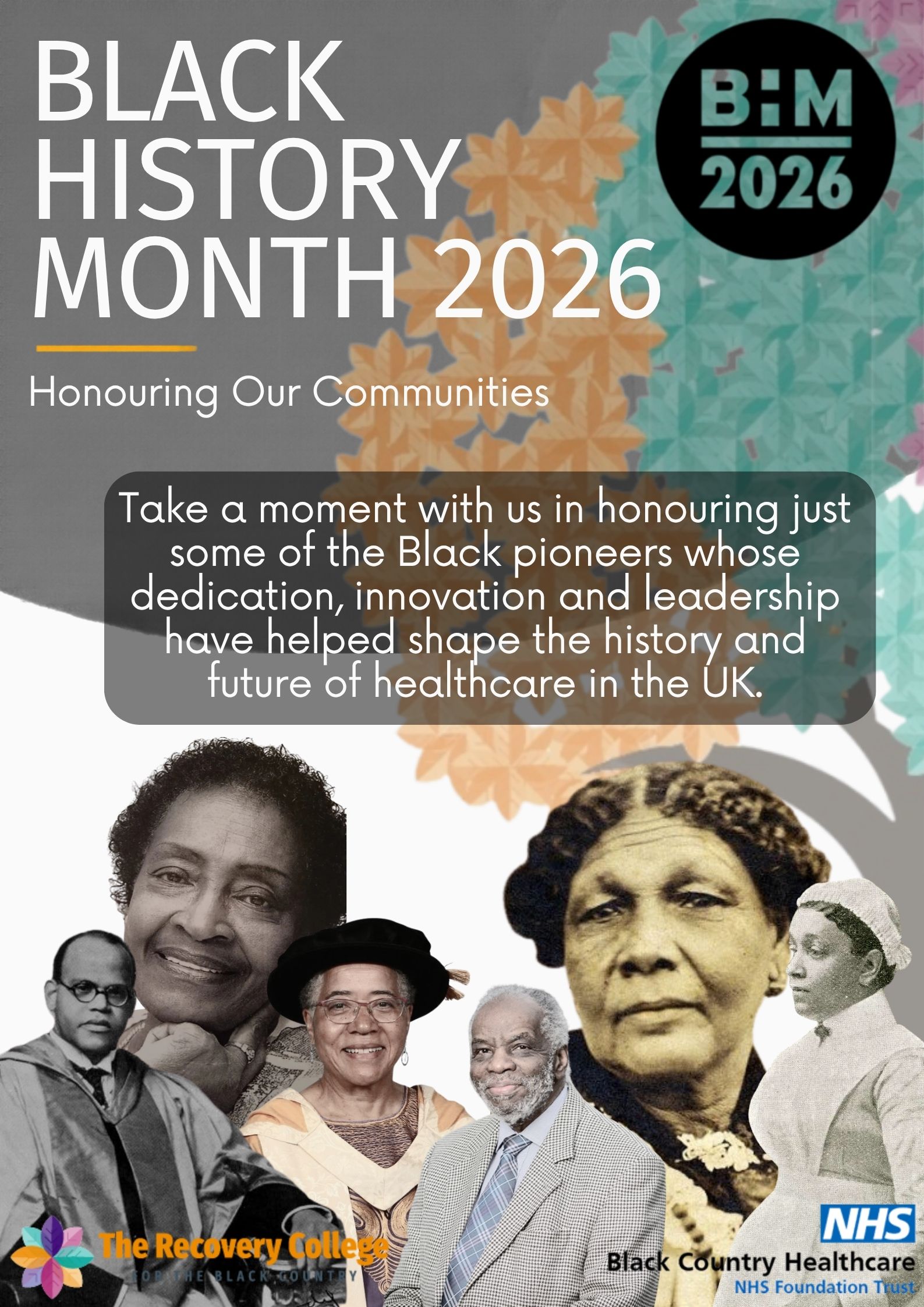
This Black History Month the theme is Honouring our Communities Take a moment with us in honouring just some of the Black pioneers whose dedication, innovation and leadership have helped shape the history and future of healthcare in the UK.
In this next article we are sharing stories of three more Black pioneers, Annie Brewster, Daphne Steele and Dr Aggrey Burke.
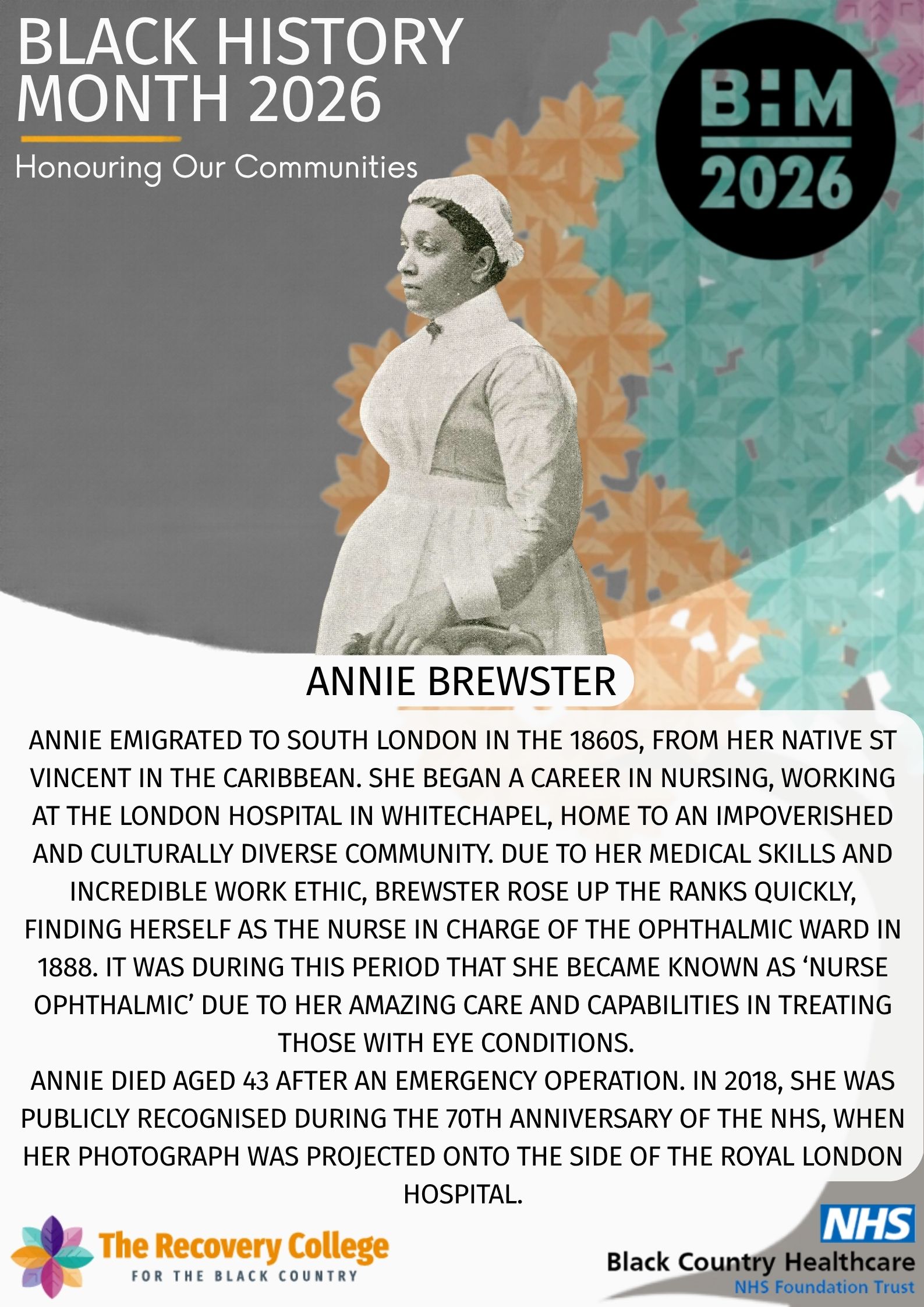
Annie Brewster
Annie emigrated to South London in the 1860s, from her native St Vincent in the Caribbean. She began a career in nursing, working at the London Hospital in Whitechapel, home to an impoverished and culturally diverse community. Due to her medical skills and incredible work ethic, Brewster rose up the ranks quickly, finding herself as the nurse in charge of the Ophthalmic ward in 1888. It was during this period that she became known as ‘Nurse Ophthalmic’ due to her amazing care and capabilities in treating those with eye conditions.
Annie died aged 43 after an emergency operation. In 2018, she was publicly recognised during the 70th anniversary of the NHS, when her photograph was projected onto the side of the Royal London Hospital.
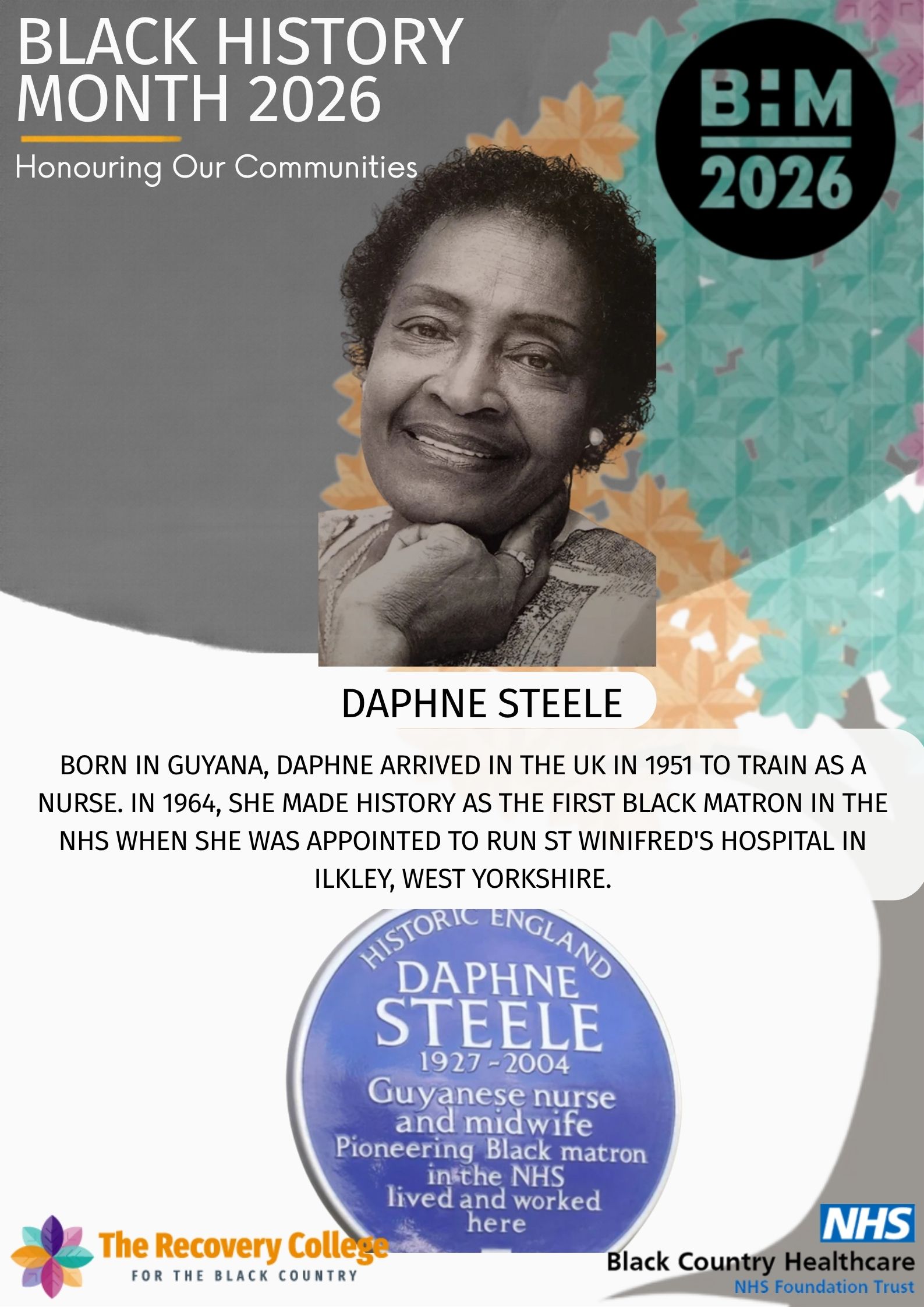
Daphne Steele
Born in Guyana, daphne arrived in the UK in 1951 to train as a nurse. In 1964, she made history as the first Black matron in the NHS when she was appointed to run St Winifred's Hospital in Ilkley, West Yorkshire.
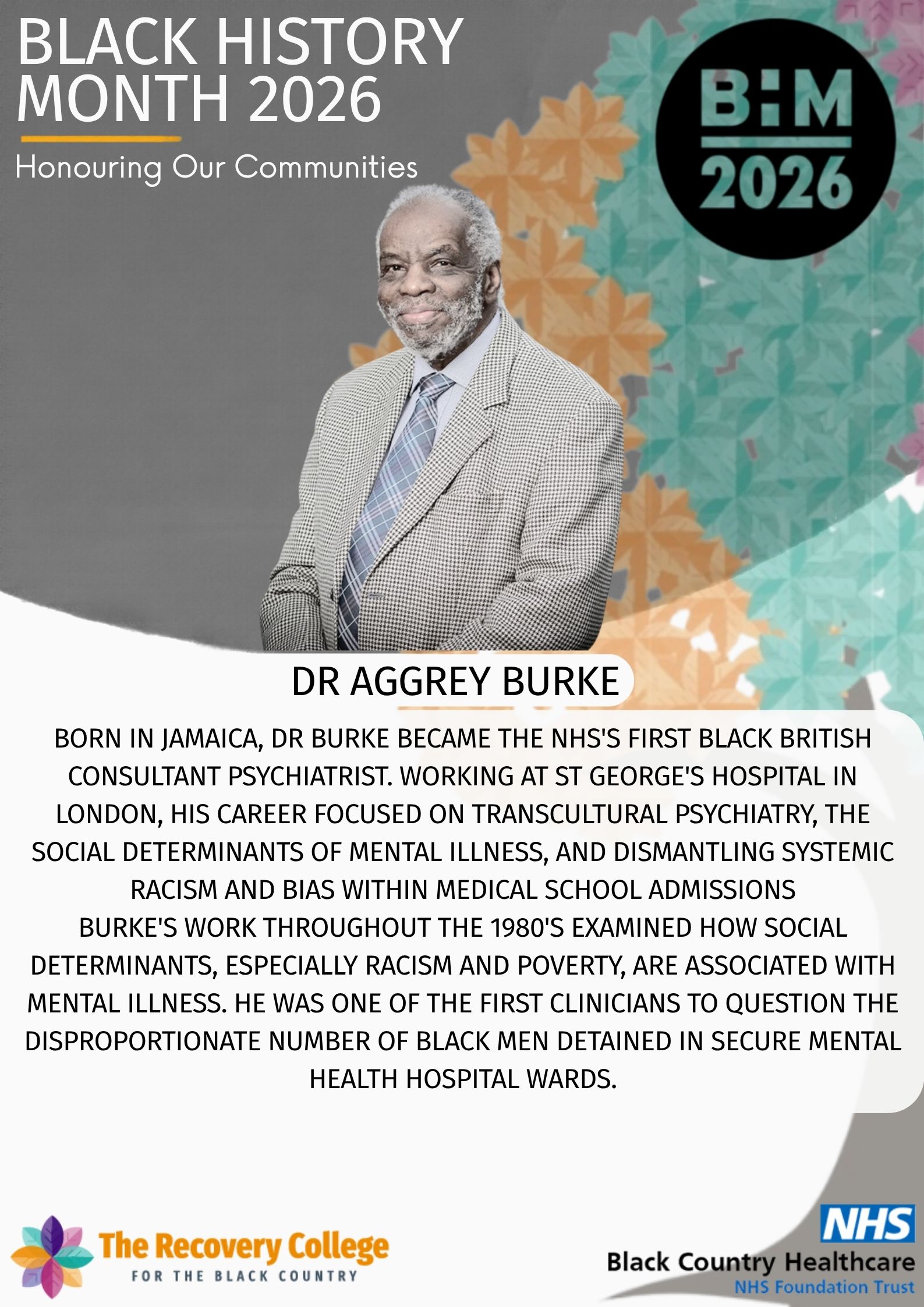
Dr Aggrey Burke
Born in Jamaica, Dr Burke became the NHS's first Black British consultant psychiatrist. Working at St George's Hospital in London, his career focused on transcultural psychiatry, the social determinants of mental illness, and dismantling systemic racism and bias within medical school admissions
Burke's work throughout the 1980's examined how social determinants, especially racism and poverty, are associated with mental illness. He was one of the first clinicians to question the disproportionate number of black men detained in secure mental health hospital wards.